
Due to their inherent versatility, macrophages can readily modify their phenotype and function in response to pathogenic stimuli.1,2

Though their contributions vary greatly depending on the specific condition, subverted macrophages are associated with the pathogenesis of almost every disease1
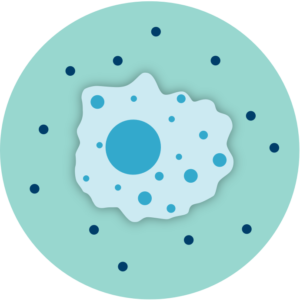
1) Initial stages of disease

Following tissue injury or infection, macrophages typically exhibit a pro-inflammatory phenotype, releasing various mediators that enhance anti-tumor and antimicrobial immunity.1,2
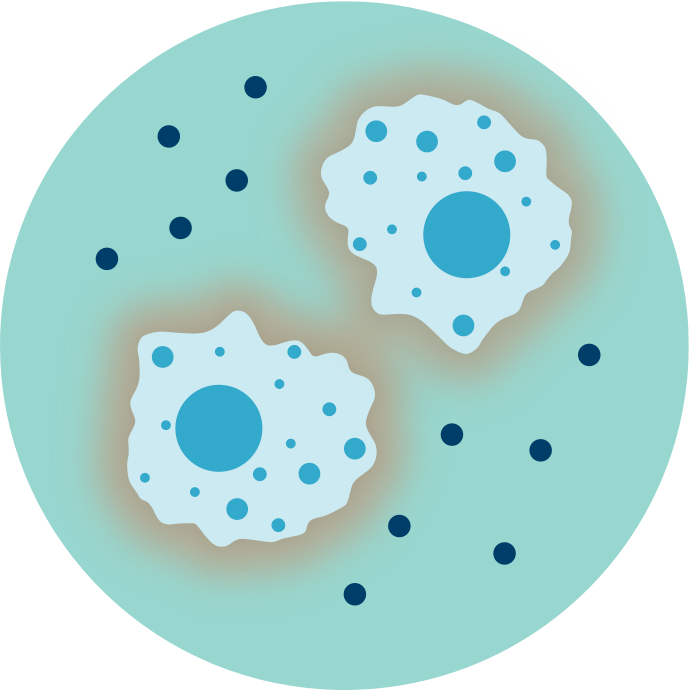
2) Persistent illness or injury

If inflammation cannot be resolved, pro-inflammatory macrophages can contribute to further inflammation, tissue damage, and disease progression. Inflammatory macrophages are involved in the pathogenesis of various chronic inflammatory diseases.1,2

3) Immune paralysis

In many diseases, such as infection and cancer, macrophages counter the hyperinflammation by switching to an anti-inflammatory phenotype or undergoing apoptosis. The resulting immunosuppressive effects can have negative clinical implications, including pathogen evasion, tumor progression, and susceptibility to secondary infections.1–4

Understanding the key drivers of macrophage polarization in pathogenesis is leading to novel therapeutic strategies in COVID-19, invasive fungal infection, acute respiratory distress, and more2,5-8

Review the latest findings on macrophage immunomodulation in specific disease states:

Lung Injury
Infection

References: 1. Wynn TA, Chawla A, Pollard JW. Origins and hallmarks of macrophages: development, homeostasis, and disease. Nature. 2013;496(7446):445-455. 2. Moghaddam AS, Mohammadian S, Vazini H, et al. Macrophage plasticity, polarization, and function in health and disease. J Cell Physiol. 2018;233(9):6425-6440. 3. Atri C, Guerfali FZ, Laouini D. Role of human macrophage polarization in inflammation during infectious diseases. Int J Mol Sci. 2018;19(6):1801. 4. Mathias B, Szpila BE, Moore FA, et al. A review of GM-CSF therapy in sepsis. Medicine (Baltimore). 2015;94(50):e2044. 5. Safdar A. Strategies to enhance immune function in hematopoietic transplantation recipients who have fungal infections. Bone Marrow Transplant. 2006;38(5):327-337. 6. Tay MZ, Poh CM, Rénia L, et al. The trinity of COVID-19: immunity, inflammation and intervention. Nat Rev Immunol. 2020;20(6):363-374. 7. Lang FM, Lee KM-C, Teijaro JR, et al. GM-CSF-based treatments in COVID-19: reconciling opposing therapeutic approaches [epub ahead of print]. Nat Rev Immunol. doi:10.1038/s41577-020-0357-7. 8. Herold S, Hoegner K, Vadász I, et al. Inhaled granulocyte/macrophage colony-stimulating factor as treatment of pneumonia-associated acute respiratory distress syndrome. Am J Respir Crit Care Med. 2014;189(5):609-611.