

Due to their inherent versatility, macrophages can readily modify their phenotype and function in response to pathogenic stimuli.1,2
Though their contributions vary greatly depending on the specific condition, subverted macrophages are associated with the pathogenesis of almost every disease1
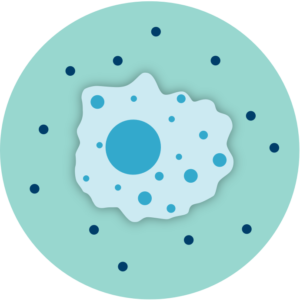
1) Initial stages of disease
Following tissue injury or infection, macrophages typically exhibit a pro-inflammatory phenotype, releasing various mediators that enhance anti-tumor and antimicrobial immunity.1,2
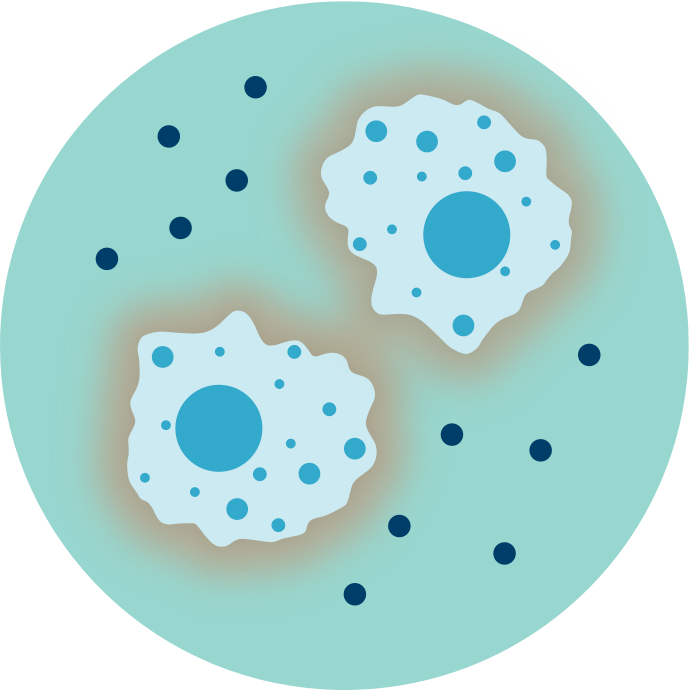
2) Persistent illness or injury
If inflammation cannot be resolved, pro-inflammatory macrophages can contribute to further inflammation, tissue damage, and disease progression. Inflammatory macrophages are involved in the pathogenesis of various chronic inflammatory diseases.1,2

3) Immune paralysis
In many diseases, such as infection and cancer, macrophages counter the hyperinflammation by switching to an anti-inflammatory phenotype or undergoing apoptosis. The resulting immunosuppressive effects can have negative clinical implications, including pathogen evasion, tumor progression, and susceptibility to secondary infections.1–4